Blog

Helping people thrive.

"Time-Out": How to Protect Your Relationship from Strong Emotions
Relationships are stressful at times and we all know what it feels like to "lose it" when our stress levels rise too high. Marriage therapists call this being "emotionally flooded".
Many couples make the mistake of continuing an interaction when one or both partners are emotionally flooded, which is a really bad idea. When emotionally flooded, we are not in our "rational" brain. We are very likely to say and do things that are harmful to our relationship health.
Use time-outs as a circuit breaker to halt an interaction when one or both of you have become emotionally flooded and are no longer in your "adult" (rational) brain.

7 Rules for Turning an Argument into an Opportunity for Relationship Growth
All couples argue at times. You may as well learn to do it in a way that helps your relationship grow, rather than tear it apart. Relationships get stronger when the people in them know how to handle challenges (and the arguments that often follow) well.
These 7 relationship rules are a great place to start:
Rule #1: Don't attempt to address an issue until you're both ready.
Sounds obvious, but couples often make this mistake. Don't be ironing, cooking dinner, or performing other tasks. Don't be tired, sick, drunk, or hungry. Don't be distracted. If an issue is important enough to be "an issue", set a place and time where you are both able to focus on each other and truly concentrate on what's being said.

How to Hold Your Ground Without Damaging Your Relationship
If you're in a relationship you will have noticed that partners don't always see eye to eye. Knowing how to hold your ground without damaging your relationship is a really important skill for partners wanting a healthy relationship.
In past disagreements or stand offs, maybe you've tried being nice and keeping the peace. If you did this enough you possibly ended up discovering that you weren't true to yourself. Maybe then you tried pushing back and refusing to budge regardless of the consequences. This strategy won't have brought you both closer and it definitely won't work indefinitely.

How to Be Angry AND Loving When You Argue
All couples argue. So we may as well learn how to do it well.
Many of the couples I see in practice don't know how to argue well. So it makes me wonder how the rest of you are doing it.
Is it only the couples who end up in a marriage therapist's office who make these mistakes? Or are lots of other couples also arguing badly… and suffering the relationship damage that results from it?
Here are 3 common mistakes that I see couples making when they argue:
Thinking and speaking in "all or nothing" terms

4 Strategies for Turning Destructive Arguments into Healthy Discussions
Having a healthy discussion rather than a destructive argument takes skill. All couples argue, but not all couples argue well. Here are some of the most common rookie errors that I see in my work with couples.
1. Don't be passive
Saying nothing may help in the short term, but it's not a long term strategy for partners who really want love that lasts, because it prevents true sharing of yourself with your partner and usually leads to built up resentment. Built up resentment then usually leads to sudden outbursts of emotion or to passive aggressive behaviours, or both.

Couples, Arguments, and the Blame Trap
Differences are a normal part of all relationships, as are the arguments that arise from them. So much so, that when I occasionally meet a couple who claim they "never ever disagree or argue", my marriage therapist radar starts blinking steadily. If it sounds too good to be true, it probably is, and I'd wager a bet that what's really going on in such couples is committed, systemic, and unhealthy conflict avoidance (otherwise known as non-assertiveness) by one or both parties.
For the rest of us in marriages or relationships, it's normal to expect conflict. But here the differences arise. What may be an occasional and relatively unharmful blip on the relationship landscape for one couple may be a frequent and destructive pattern for another.

How To Know When to Speak Up About a Relationship Issue
Ask anyone what it takes to have a great marriage and chances are you'll hear "Good communication".
Indeed, "We don't communicate" is one of the most common complaints I hear from couples when they present for relationship therapy.
However when you stop to think about it, there's really no such thing as not communicating. You could be growling or yelling at each other, or avoiding and ignoring each other completely… either way, you're still communicating. You're just not doing it well.

Mistakes Partners Make When Discussing Emotional Issues (and How to Avoid Them)
What had started as a peaceful afternoon riverside walk quickly changed into the equivalent of a stroll through a relationship minefield, as hubby and I stumbled upon an unresolved issue that had been hovering in the wings for a week or two, refusing to go away.
Unlike minor relationship challenges and gripes, which are sometimes better off "let through to the keeper," I knew that this issue, if left unresolved, had the potential to influence our relationship in a negative way.

Switch From Complaint to Request for a Happier Relationship
Ever been in a relationship with a complainer? Or perhaps you're prone to a bit of complaining and whinging yourself when your relationship isn't going right?
All of us have days when we feel inconvenienced, annoyed, or even outright furious about something our partner is (or is not) doing.
It makes sense that we should be able to communicate to our partner when we're not OK about something. Everyone knows that good communication is important for good relationships.
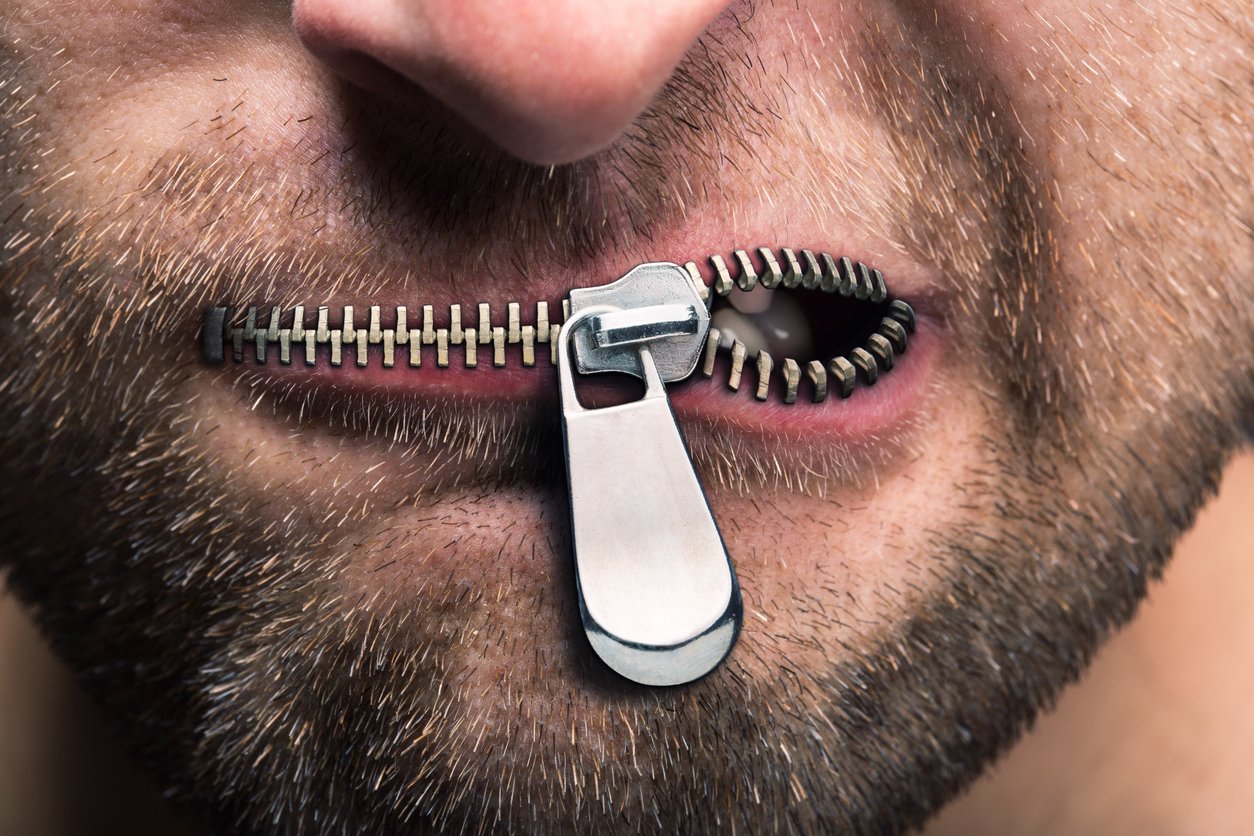
Why Shutting Up and Keeping Quiet Is a Really Bad Relationship Option: a Case Study
It was their first couples therapy session and already I was hearing the same story that I've heard from so many other couples over so many years.
"Melissa" was describing how her husband doesn't speak up enough. He doesn't offer opinions, or make decisions, she says. She feels like she's the only adult in the relationship and she wants a husband who is more like a partner than just another one of the kids.

Sick of Nagging?
Choose a behaviour that you can repeat numerous times every single day. Then repeat this for weeks, months, years and decades. Make sure it's a behaviour that brings out the worst in you, really annoys and exhausts you, never feels good, and leaves you feeling bitter, resentful, and angry towards the people you love.

Sick of Being Nagged?
Imagine a day when from the moment you got up, someone followed you around telling you that everything you're doing is wrong. Even when you make an effort to do something right, it goes unnoticed. And if you make one small mistake you're criticised for being hopeless and blamed for never trying hard enough.

"From the very first session I really liked your approach with us, because you were not biased and also you were so clear and direct.”
Craig, Maroochydore
“After completing Pamela's Couples Toolkit, everything has changed. We now know how to really listen, so we both feel confident discussing any issue (rather than avoid it as we would so often do before). We don't get stuck when things go off track - we now know how to repair quickly. No more cycles of fighting followed by silence - it's such a massive relief. Thanks so much Pamela.”
Ruby & Matt, Sunshine Coast
"Pamela is not only kind and compassionate, but a true professional with excellent skills that have brought me so many insights. I have the utmost respect for her honesty, integrity, and knowledge. She’s been a true blessing!”
Phoebe, Caloundra