Blog
Helping people thrive.
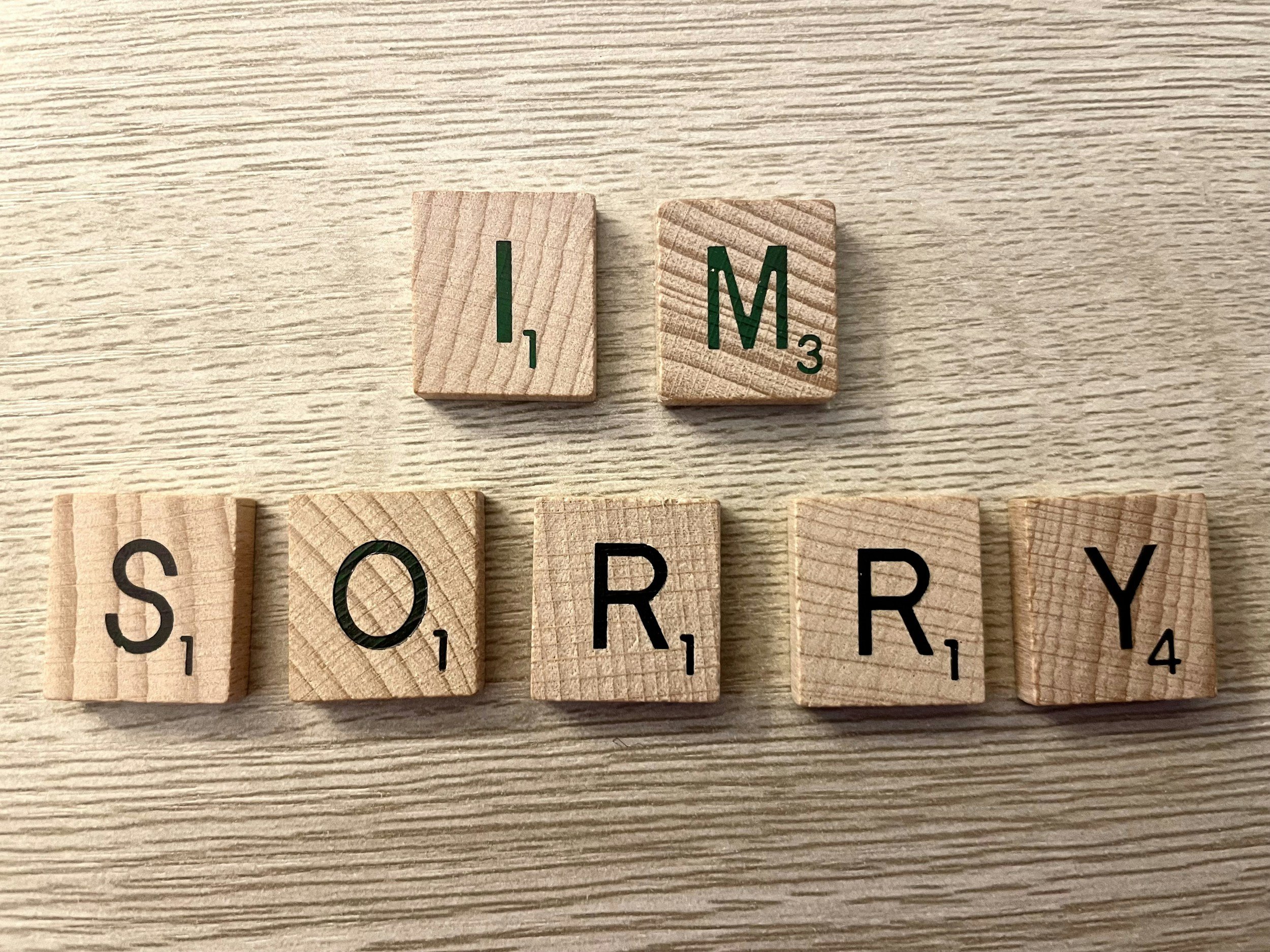
How To Offer an Apology (That Actually Lands)
Apologies are one of the quiet power-tools of healthy relationships. When done well, they are a conduit to deep healing and connection. When done badly — hurried, distracted, insincere, or incomplete — they can at best have no significant meaning, and at worst, cause more damage, adding extra layers of resentment, disconnection, and relationship toxicity.
It's really important to apologise in a way that maximises the chances for it to be really heard, understood, and received with the goodwill that you are intending.

Resentment Is Heavy… It’s Time To Stop Lugging It Around
Sometimes when couples come to therapy, one or both of them brings along a big backpack.
I can tell it's heavy, because they're always drained from the effort of lugging it around. They often let out a private sigh as they put it down.
Sooner or later, they open that backpack up and start laying the contents out on the therapy room floor.
Sometimes they do this one item at a time, reaching in for the one thing they're looking for, and selecting it for public view.
Other times they empty that backpack with one big upside down shake out, and we all stand back as a huge pile cascades onto the floor.
It's not a real backpack, and the contents aren't real either.

How to (Really) Accept an Apology
No one likes being hurt. In healthy relationships it does and will happen occasionally.
When we've been hurt by our partner, all we really want is for him or her to understand and acknowledge what they've done, right? We hold out for the "I'm sorry", so that we can both move on.
When I work with couples it's an amazing feeling to be there in that moment when the apology one of them has been desperate for, finally comes. It's allowed me to see that the way an apology is received has a big impact on what happens next.
When you receive an apology from your loved one, how do you receive it?

"From the very first session I really liked your approach with us, because you were not biased and also you were so clear and direct.”
Craig, Maroochydore
“After completing Pamela's Couples Toolkit, everything has changed. We now know how to really listen, so we both feel confident discussing any issue (rather than avoid it as we would so often do before). We don't get stuck when things go off track - we now know how to repair quickly. No more cycles of fighting followed by silence - it's such a massive relief. Thanks so much Pamela.”
Ruby & Matt, Sunshine Coast
"Pamela is not only kind and compassionate, but a true professional with excellent skills that have brought me so many insights. I have the utmost respect for her honesty, integrity, and knowledge. She’s been a true blessing!”
Phoebe, Caloundra